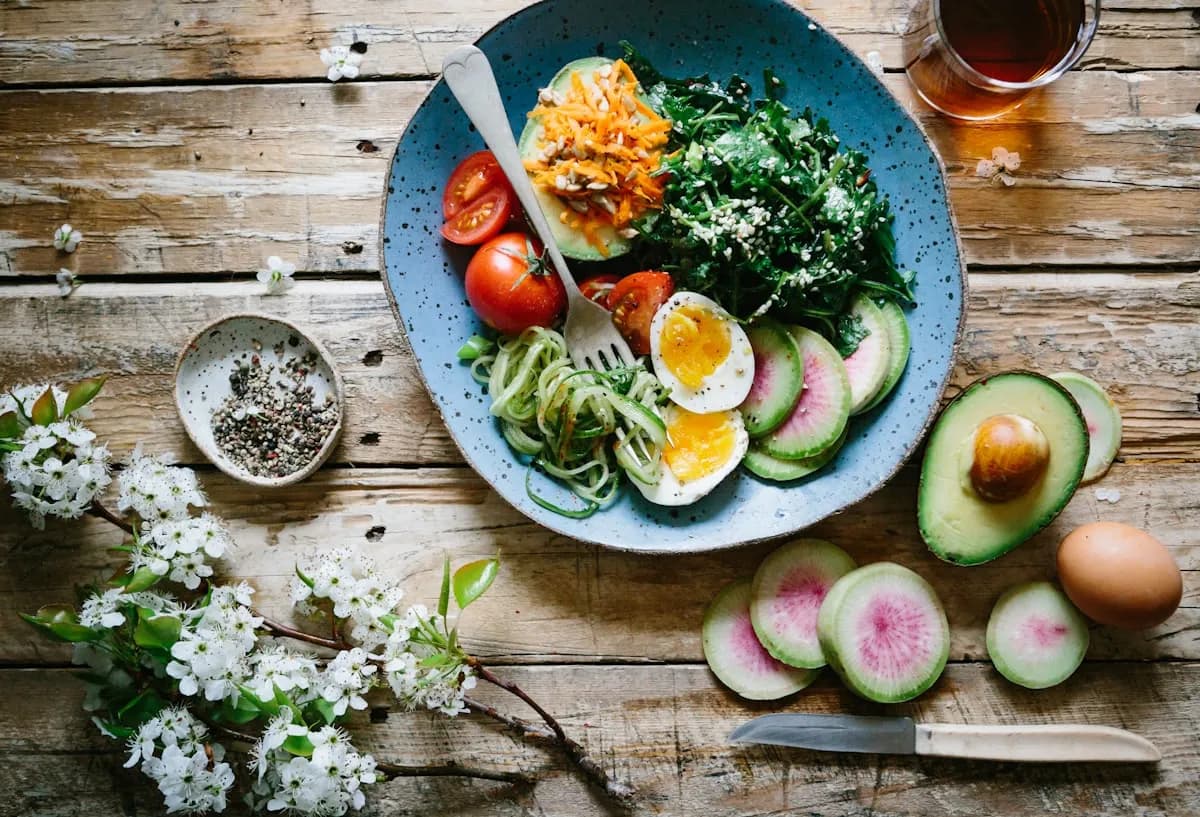
Carbohydrates are often blamed for weight gain, but the real culprit isn't carbs themselves — it's long-term calorie surplus. Your body stores fat when you take in more than you burn; the same bowl of rice is fuel for someone in a deficit, but becomes fat storage for someone in a surplus.
Cut carbs vs control total intake: which works?
Many "no-carb diets" target carbohydrates, but here's the problem:
- Cutting carbs: weight drops fast at first, but mostly water and glycogen — and it bounces back easily. Without carbs, athletic performance and energy clearly suffer.
- Controlling total intake: you don't have to eliminate any food. As long as total daily calories out exceed calories in, fat naturally decreases — and it's much easier to stick to.
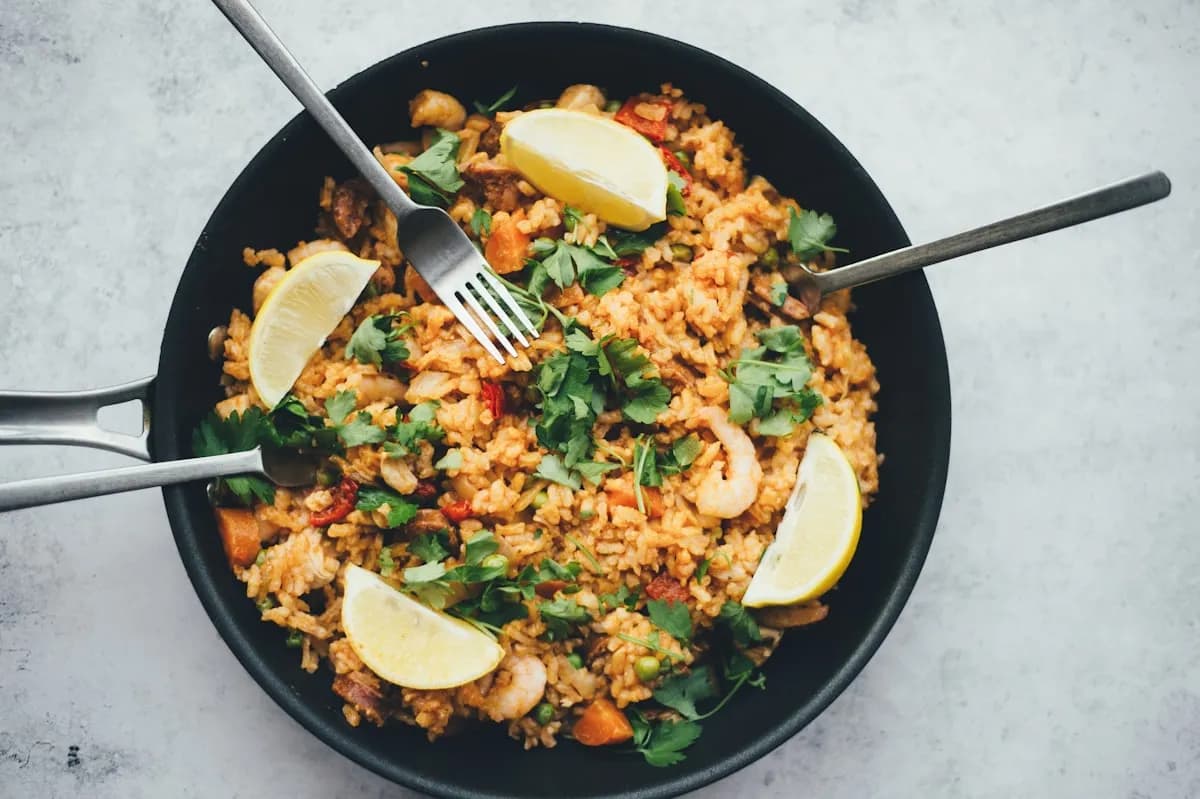
The question isn't "carbs or no carbs" — it's "how much and what kind." Low-processed carbs (brown rice, oats, potatoes) are more filling and more stable than refined sugar, and they're great fuel for training and daily energy.
What does the research say? — High-carb vs low-carb
Studies often use an isocaloric design — both groups eat the same total calories, differing only in macronutrient ratio:
- High-carb group: a higher proportion of total calories from carbs.
- Low-carb group: fewer carbs, more fat.
Finding: when total calories are matched, weight loss is broadly similar between the two groups — the difference comes from total calorie control and which diet you can sustain long-term, not from eating carbs or not. Research shows very-low-carb or keto diets drop faster in the first weeks (mostly water loss), but after a year there's no significant difference versus traditional low-fat, isocaloric diets (Hall et al., 2018).
Summary and recommendations
Carbohydrates aren't the enemy — it's how you eat them:
- Track total calories: the core of fat loss is a total calorie deficit, not avoiding one food group.
- Choose low-processed carbs: brown rice, oats, potatoes, whole-grain bread are more filling than sugar and white bread.
- Eat enough before training: on training days especially, get enough carbs to train hard and recover.
- Don't obsess over cutting carbs: controlling portions is easier to sustain than eliminating a whole food group.
In one sentence: what makes you fat is a "total calorie surplus," not carbohydrates. Eat smart and control your total intake — that's the lasting approach.
Sample plan: a day of meals (≈1800 kcal)
A simple no-carb-cutting meal plan with carbs and protein (reference portions for an adult losing fat):
| Meal | Example |
|---|---|
| Breakfast | 40g oats + low-fat milk + 1 boiled egg + half a banana |
| Lunch | 1 bowl brown rice + 120g chicken breast + large plate of greens |
| Snack | 1 yogurt + small apple |
| Dinner | 1 potato + 120g steamed fish/lean pork + vegetable soup |
| Pre-training (if any) | 1 slice whole-grain bread + 1 tsp peanut butter |
How to adjust: portions scale with your height and weight — men can add half a bowl of rice, women keep as above. Always eat your rice, just control the portion; eat more carbs on training days and fewer on rest days.